


Welcome To The College Of Psychology And Liberal Arts
Our goal is to foster an educational environment where students thrive in their pursuit of knowledge for the betterment of society and the world in which we live.
The college offers a diverse array of courses, programs and extracurricular/cocurricular opportunities. It comprises three schools and is also home to the military science program.
School of Arts and Communication
The School of Arts and Communication (SAC) offers degree programs in communication and the humanities that are both comparable to those at peer institutions and distinctive for their environment at Florida Tech. The programs complement and expand STEM education by critically examining social and cultural issues. In addition, SAC offers a range of minors in areas such as communication, history, literature, music, philosophy and prelaw that are popular with students from many different majors.
School of Behavior Analysis
Behavior Analysis is a scientific approach to the study of behavior and is concerned with describing, explaining, predicting, and changing behavior. As the first school of behavior analysis, the Florida Tech School of Behavior Analysis (SoBA) has a strong tradition of leadership in the field and offers programs in Applied Behavior Analysis (ABA) and Organizational Behavior Management (OBM), including programs designed to fulfill Behavior Analyst Certification Board® (BACB®) requirements.
School of Psychology
The School of Psychology (SoP) provides an array of options for students interested in studying psychology. Bachelor's degree programs encourage students to specialize in one of several specific areas of psychology; something that is rare at the undergraduate level. At the graduate level, industrial/organizational (I/O) psychology programs apply psychology to issues of critical relevance to business. The clinical psychology program, leading to the Psy.D. in clinical psychology, prepares students for entry-level positions as clinical psychologists.


In the News
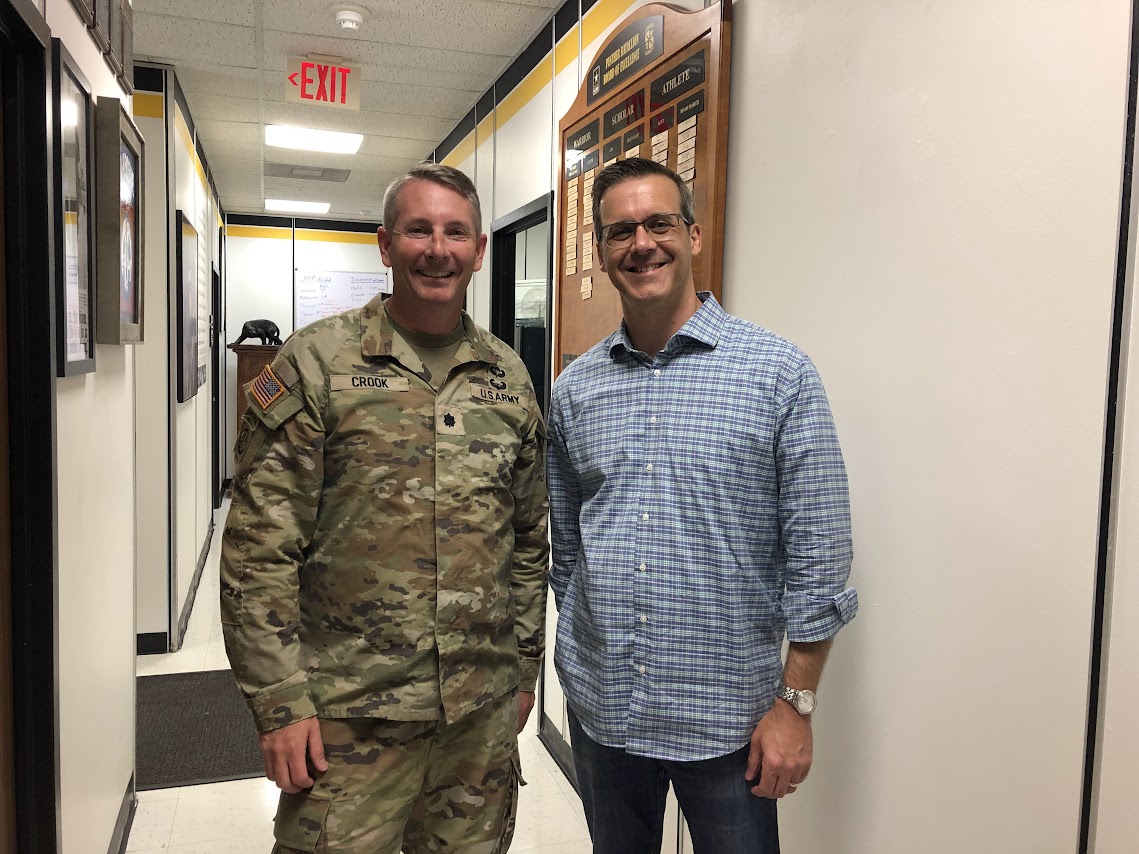
With ‘Helping Others’ as his Guiding Principle, COPLA Alumnus Finds Fulfilling Career Path
A Q&A with psychology alumnus Jonathan V. Wilson ’98, vice president of organization development and talent management for the Leukemia & Lymphoma Society.
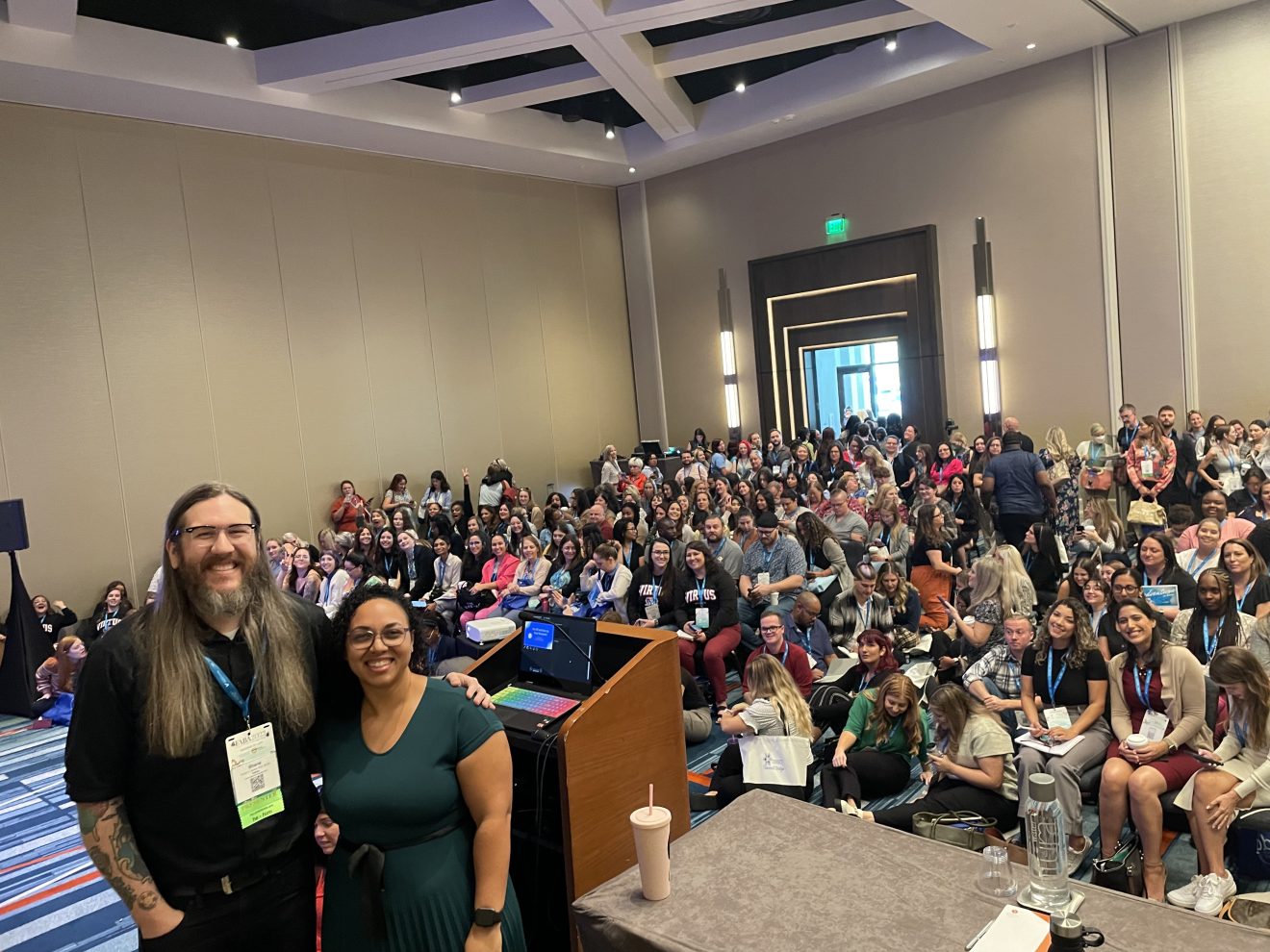
Florida Tech’s School of Behavioral Analysis Represented at FABA Conference
Florida Tech boasted six faculty and 17 student presentations at the 43rd Annual Florida Association for Behavior Analysis (FABA) Conference.
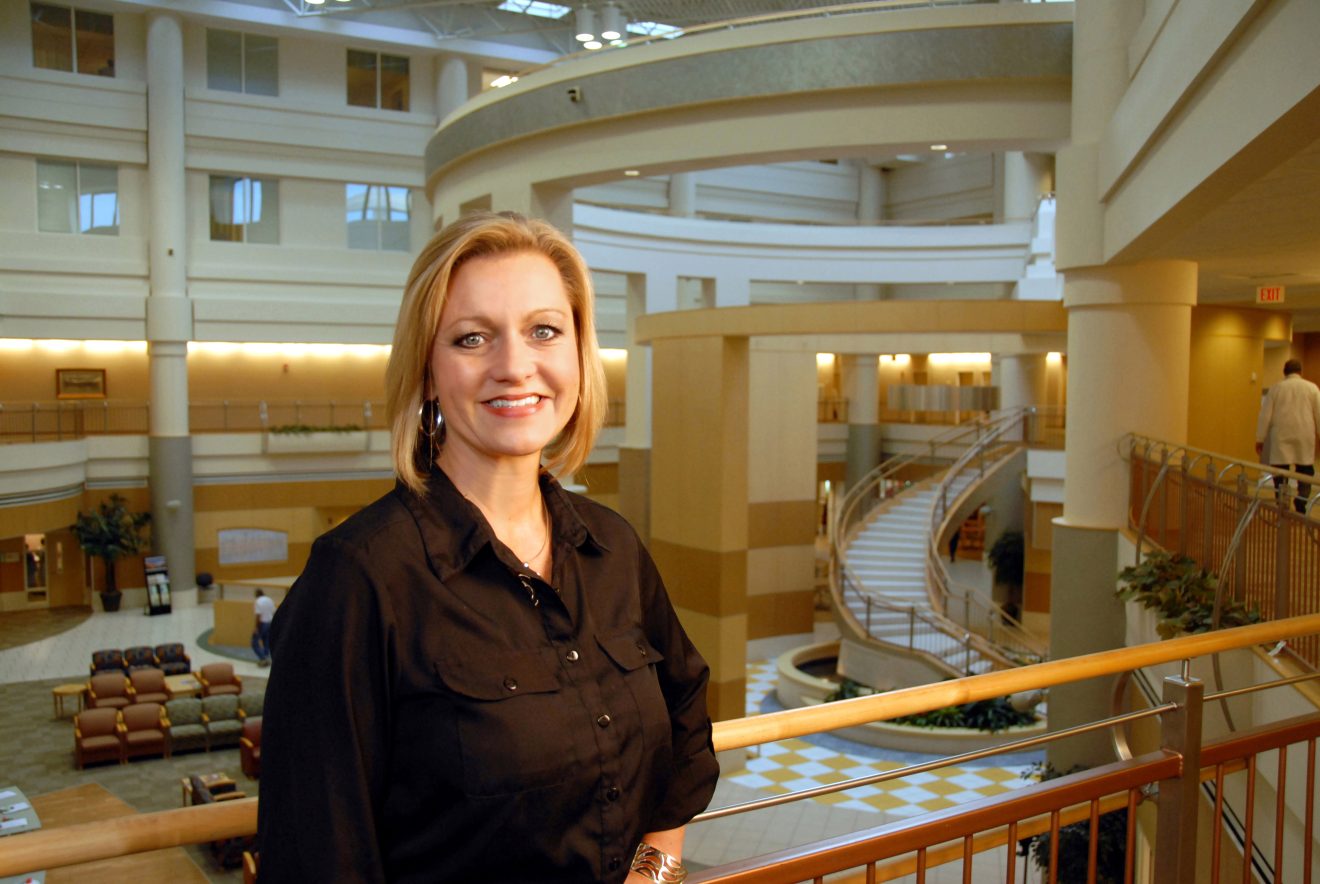
‘Embrace the Diversity of Thought’: Alumna Talks Florida Tech, Her Career and Her Best Advice
We talked with Natalie Sellers ’03 M.S., a vice president at Parrish Medical Center, about her career, best Florida Tech memory and advice.